![Bitcoin [News Pool]](https://dohodvseti24.ru/wp-content/uploads/2021/03/onlajn-novosti-o-bitkoine-logotip.png)
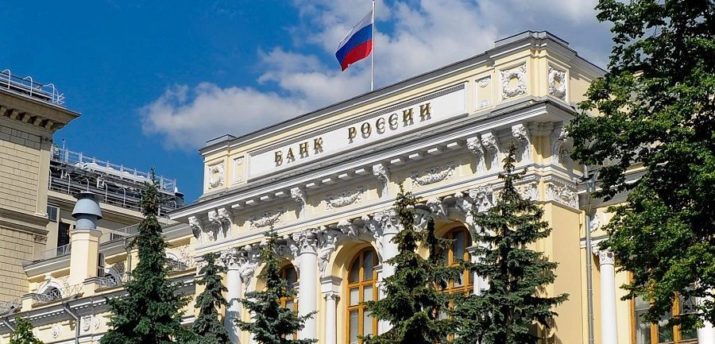
The Central Bank of Russia sent requests to commercial banks demanding to clarify their interaction with cryptocurrency exchangers for peer-to-peer transactions.
The Bank of Russia requests present the following services for exchanging cryptocurrencies: btc-obmennik.com, cleanbtc.ru, 100bitcoins.com, ultrachange.biz, 1wn.kz, cryptex24.com/ru/, openchange.cash, xchange.cash, vexel.com and betatransfer.org. The Central Bank explained, what services, providing purchasing services to citizens, sale and exchange of cryptocurrencies, do not register their activities and do not bear financial obligations to users.
The regulator is concerned about anonymous transactions with cryptocurrencies. When using cryptocurrency exchangers, users are not asked for the purpose of the transaction and the source of funds., which poses great risks of money laundering and terrorist financing through crypto assets.
The Bank of Russia called such transactions dangerous, since citizens may be involved in fraudulent schemes and risk losing their funds. The Central Bank of the Russian Federation explained, what when using cryptocurrency exchangers, people do not send funds to the current accounts of these services, and to bank cards and electronic wallets, which can be registered to dummies.
Remarkably, that on the websites of the above exchangers, Sber banks are indicated as partners, VTB and Tinkoff, money transfer operator Western Union, as well as payment systems WebMoney and Zolotaya Korona. "Golden Crown" and WebMoney commented on the situation, stated, that they do not cooperate with these cryptocurrency exchangers, as their policy prohibits any operations, related to digital assets. They claim, that fraudulent sites often use their logos, abusing citizens' trust in their brand.
In turn, the cryptocurrency exchanger Vexel.com said, that does not violate laws and complies with recommendations, developed by the International Financial Action Task Force on Money Laundering (FATF). Vexel added, which does not provide peer-to-peer transaction services.
General Director of the National Payment Association Maria Mikhailova said, that banks are trying to track cryptocurrency exchangers, placing logos and names of financial institutions on their platforms without their knowledge. She stated the need for legal clarity regarding cryptocurrencies. Otherwise, despite assessing the risks of money laundering through cryptocurrencies, carried out by banks and payment systems, they will not be able to cope with this task.
In December, the Bank of Russia explained, that it does not plan to completely control the operations of citizens, but will only collect anonymized data from credit institutions on P2P transactions. These requests will only be made to banks if there is a risk of accounts being used for illegal transactions.