![Bitcoin [News Pool]](https://dohodvseti24.ru/wp-content/uploads/2021/03/onlajn-novosti-o-bitkoine-logotip.png)

Possession of cryptoassets is accompanied by the problem of their safe storage. For the safety of cryptocurrencies, it is useful to adhere to several rules, and not all of them relate to the technical field.
Storing money is the most important aspect of every investor's activity.. First, what comes to mind is a huge bank safe, bars on the windows and menacing guards, but in our case it is software, exchange or hardware storage. Also, how we store cash, the cryptocurrency is “stored” in a wallet—software or hardware.
Technically, assets are accounted for in a decentralized blockchain ledger, and wallets allow you to access them. But if you study the principles, which guide large investors to ensure personal and financial security, turns out, that technical means of protection do not come first.
Let's figure it out, what remains behind the scenes.
Maintain information hygiene
The first thing professional investors call for, this is to use social media carefully.

The Internet is not a place for displaying excessive emotions or publishing personal information.. Social networks if they don’t help, then they provoke to commit a crime. Attention hunters, eager to “beat out” other people’s money, can be directed at the victim’s loved ones and used as a tool of pressure.
A more subtle approach to collecting information about your non-public activities is various professional Internet forums, comment sites or messaging services. Being an active participant in the crypto community does not mean providing a detailed report on your actions and results achieved.
Every action on the network leaves a digital trace and it is not in our interests to disseminate information, which will allow you to associate a specific event with a specific cryptocurrency wallet.
The finishing touch is “don’t talk too much” in public places and at events, especially with the participation of random people.
Do not keep crypto assets on the exchange and store the keys to the wallets yourself
Cryptocurrency is a bearer asset, and that one, who has access to the wallet's private keys, can carry out operations at any time.
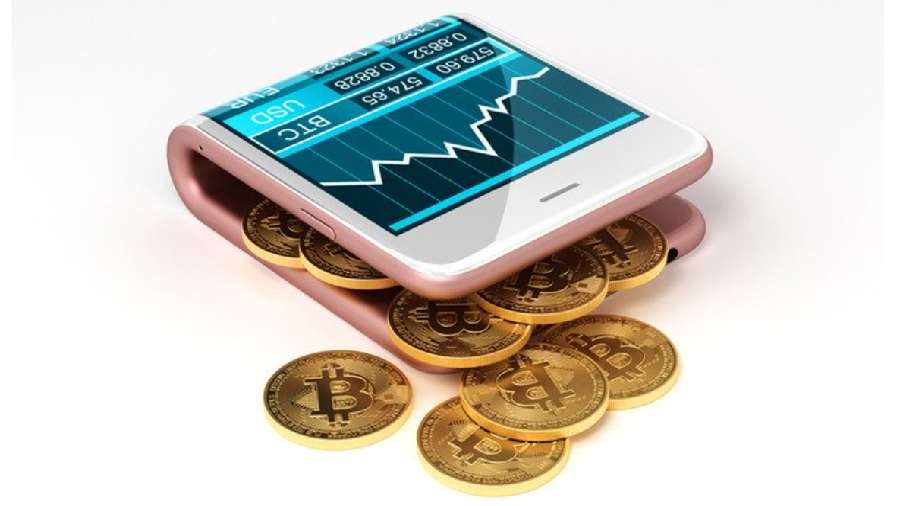
Since most crypto asset exchange transactions are carried out on the exchange, it's very convenient to just leave them there. If we store cryptocurrency in a custodial account of a cryptocurrency exchange, then the exchange has full access to our resources. On the one side, for us they are always available, and in the event of unforeseen circumstances, it is possible to block or restore the account. On the other, Storing crypto assets on an exchange exposes them to counterparty risk and various external threats.
Cryptocurrency exchange may be hacked, blocked by regulator or, for a number of reasons, go bankrupt. How did this happen in 2014 year by the MtGOX exchange, Where [perhaps] were kidnapped 850 000 BTC. The exchange filed for bankruptcy, which led to legal confusion, lasting
more than seven years. In August 2021 Cryptocurrency exchanges Bilaxy and Liquid reported hacking
hot wallets and theft of crypto assets on $22 million and $80 million. Mid October, amid pressure from regulators, closed
Turkey's largest cryptocurrency exchange Coinzo.
From a psychological point of view, leaving cryptocurrencies on exchange accounts, we are trying to remove the responsibility for storing assets from ourselves and delegate it to the exchange. However, this is no more, than self-deception. FROM 2011 year, the community witnessed this dozens of times, how dozens of exchanges suffered catastrophic losses both from internal, and from external attacks. Therefore, it is worth storing only the amount for active trading on the exchange, which you're not afraid to lose. It is better to store cryptocurrency in a wallet, to which no one has access, except you.
The Vinkovoss brothers advise: become a convinced hodler
Simultaneously with the accumulation of significant, life-changing wealth, strategy and risk appetite must change.
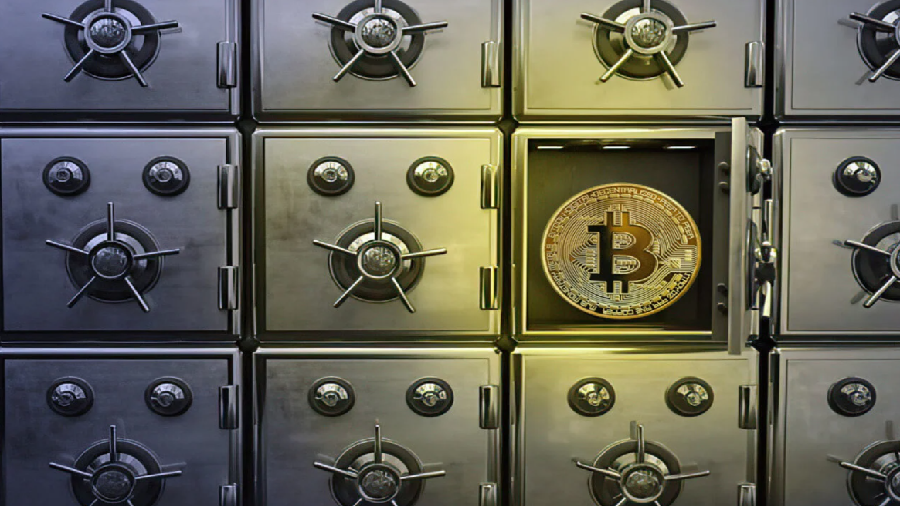
Most wealthy crypto investors talk about a shift in mindset from accumulation to wealth preservation. In their opinion, everything else carries additional risk and the expected reward does not justify the possible danger.
Owners of the Gemini cryptocurrency exchange, Winklevoss brothers, called a short-sighted decision, when newly minted crypto millionaires cash out, exchanging them for expensive cars, sports teams or securities. In their opinion, cryptocurrency is “one of the best investments in the world and will remain so in the coming decades. And if that's not the case, we'd rather live with disappointment, than with regret".
To crypto assets from the top ten, eg, bitcoin and ether, should be treated as a store of value and an inflation hedge. This is especially true for investors with significant holdings of crypto assets, who believe, that receiving a small annual interest is preferable to losing 100% of the asset. Especially, what's with the promotion?
Prices are getting harder and harder to replace lost Bitcoin or Ether.
Approach the protection of crypto assets with reasonable sufficiency
Once a novice investor realizes the scale of the potential threats to his crypto assets, he has an irresistible desire to develop a special security plan. However, this is another pitfall for a newbie.. A complex and multi-stage access path to wallets ensures safety, but at the same time becomes an enemy of security. It gives the investor a sense of security, but increases vulnerability when performing procedures, necessary for operations to restore access or transfer ownership.
A particularly paranoid investor, like the "Bitcoin Family" from the Netherlands, can divide its crypto assets into several parts, write data to various models of hardware wallets, and then hide them in multiple jurisdictions. This type of diversification actually reduces the risk of a catastrophic event, which will destroy all assets, but it significantly increases the risk of losing some of them.
Another way to make access as difficult as possible for attackers, and for the owner of cryptocurrency - a reliable safe in a well-guarded place. The Xapo company played on this a few years ago, organizing the storage of large amounts of bitcoins in a bunker, защищенном даже от атомной бомбардировки. Получить доступ к хранилищу из интернета невозможно, и физический доступ ограничен более чем достаточно. The weakest link in such a scheme remains the employees of the storage facility..
Ethereum co-founder Vitalik Buterin shared in an interview
those, how he organized access to his crypto wallets. According to him, the private key to the cold wallet is recorded on physical media, and its parts are divided between trustees. Information can also be stored on an electronic device, never connected to the Internet.
To carry out the procedure for restoring access to a cryptocurrency wallet, a new laptop is used, Also, like a device for storing a private key, previously not connected to the Internet. The spending transaction is confirmed by a multi-signature, which includes approval from a number of people to carry out a transaction.
Regarding the protection of personal information, закрытых ключей и доступа к кошелькам, опытные инвесторы советуют новичкам придерживаться принципов достаточности в защите информации. Он предполагает, что любая защита не абсолютна, известны методы ее снятия, но она достаточна для того, чтобы сделать это мероприятие нецелесообразным.
In conclusion
Опытные инвесторы рекомендуют стремиться к самостоятельности — это главный аспект сохранения контроля над цифровой собственностью.
Необходим актуальный план, предусматривающий действия и учитывающий различные сценарии событий. Реализуйте его и время от времени пересматривайте. In this way, инвестиции будут в большей безопасности и сохранится возможность воспользоваться плодами своего труда.