![Bitcoin [News Pool]](https://dohodvseti24.ru/wp-content/uploads/2021/03/onlajn-novosti-o-bitkoine-logotip.png)
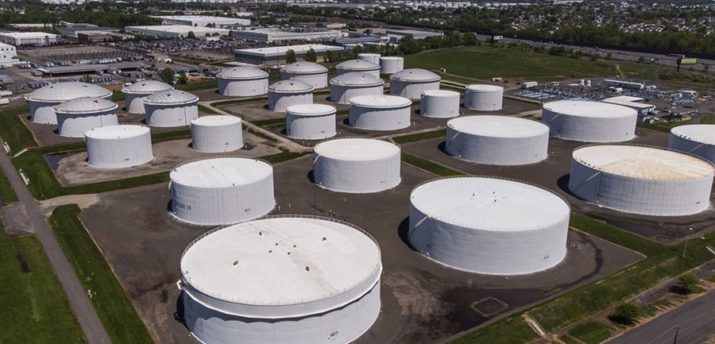
Colonial Pipeline, largest fuel pipeline operator in the US, pays ransom to hackers $5 million in cryptocurrency for system recovery, The failure in which led to fuel deficiency.
As reported
Bloomberg with reference to two people, acquaintances with the situation, company colonial Pipeline Co. paid to hackers from Eastern Europe about $5 Milln in unnamed cryptocurrency, To restore the work of the largest fuel pipeline in the United States. Earlier, the operator of the pipeline system said, that it does not intend to pay the ransom to attackers.
According to Bloomberg sources, The company paid a ransom in difficult to track cryptocurrency. This decision emphasizes huge pressure, I facilitated the operator from the state of Georgia, and the need to send gasoline and airline to large cities of the eastern coast again. The third person familiar with the situation said, that the officials of the US government are known, that Colonial has made a payment.
After receiving the ransom, hackers provided the company with a decryption tool to restore the work of a computer network. The tool worked so slowly, that the company continued to use its own backups to restore the system, said one of the sources, acquaintances with the activities of the company. The representative of Colonial refused to comment. The company said, that began to resume fuel supply 17:00 On Wednesday on East Time.
When Bloomberg News Journalists asked US President Joe Biden, Was he informed about the payment of buying off the company, The president paused, And then he said: "I have no comments about this".
According to the FBI, Hackers are associated with a group called Darkside, specialize in digital extortion, and are supposedly located in Russia or Eastern Europe. On Wednesday the media, Including Washington Post and Reuters, also with reference to anonymous sources, Reported, that Colonial is not going to pay ransom to hackers.
FBR denies
Organizations from paying off to hackers, Declaring, that there is no guarantee, that criminals will fulfill the conditions and decrypt files. The agency claims, that such payments also give an incentive to other hackers. However, Ann Neuberger (Anne Neuberger), The highest official of the White House on cybersecurity issues, At the beginning of this week, a briefing refused to express a clear position of the government regarding the payment of such rans.
“We understand, that companies often find themselves in a difficult situation, If their data is encrypted, They have no backup copies and they cannot restore data ", – She told reporters on Monday.
Such a leadership puts in a difficult situation the victims of the company, which have to compare the risks of non -payments with the cost of loss or disclosure of information. Many firms prefer to pay hackers, Partly because, that expenses can be covered, If they have cyber insurance policies.
"They had to pay", – said Ondrei Crehel (Ondrej Krehel), General Director and Founder of Lifars, engaged in digital forensics. “This is a cyber-cray. Do you want to die or want to live? This is not the situation, When you can wait ". Grezhel said, that a ransom in size $5 Milln was "very low".
“The ransom is usually from $25 to $35 Milln for such a company. I think, The attackers understood, that they attacked the wrong company, and caused the reaction of the government ", – He said.
Company colonial, which controls the largest network of fuel lines in the United States, I learned about the hacking 7 May and stopped activities, which led to a shortage of fuel and the appearance of queues at gas stations on the east coast. Consumers began to bury gasoline massively from fears of future deficiency. The authorities called for consumers not to panic and not to stock up on gasoline for the future.
More and more companies become victims of extortionists. In April, grouping hackers Revil, known by infection with a sipper virus of large companies, I directed it
In Apple, the buying requirement in Monero, threatening to publish Apple devices drawings.