![Bitcoin [News Pool]](https://dohodvseti24.ru/wp-content/uploads/2021/03/onlajn-novosti-o-bitkoine-logotip.png)
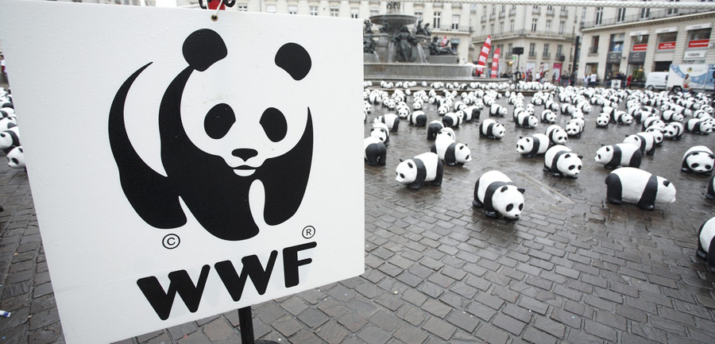
The World Wildlife Fund has refused to sell a collection of NFTs to raise funds to protect endangered species due to the possible negative impact of these tokens on the environment.
About the plans of the World Wildlife Fund (WWF) launching an NFT collection has become known back in October. This initiative was aimed at raising people's awareness of endangered species., living in the wild. Tokens, which depict rare animals, were released in the same quantity, how many individuals of these animals are left in the world. It was put up for auction 22 California porpoise NFT with price $349 token. NFT, at which saola was presented, were sold at $399 for pike. The rarer the endangered animal species, the more expensive the tokens were valued.
WWF stated, that all proceeds from the sale of the Non-Fungible Animals collection (NFAs) used to preserve these and other animal species. It was supposed, that upon resale of NFA the fund will receive 10% from the purchase price. However, WWF was forced to stop trading collectible tokens. Despite using the green Polygon blockchain, consuming electricity in quantity 0.001 kWh and low carbon footprint, this caused a backlash from environmental activists.
They described the WWF initiative as “terrible” and short-sighted. This is due to that, that Polygon is used as a solution for scaling the Ethereum network, which still uses the “environmentally dirty” Proof-of-Work consensus method. Associate Professor at Northumbria University in the UK Pete Howson (Pete Howson) noted, what if people buy ether to purchase NFA tokens, this increases the value of ether. Hence, its rate is rising, ETH mining is also increasing, and this, in its turn, damages the environment.
Faced with harsh criticism, WWF has decided to stop sales of collectible tokens and end the project.
"We thank everyone, who supported our initiative to preserve endangered species, by purchasing our NFTs. but 4 February we agreed with our partners to complete the project. We understand, that there is a huge amount of controversy and discussion around NFTs. We still have a lot to learn about this new market, Therefore, now we must evaluate the impact of the project on the environment and think, How can we better use innovation without harming nature?, - WWF said.
According to Forexsuggest, Bitcoin and Ethereum networks cause the greatest harm to the environment. Besides, according to research by Crypto Carbon Ratings, the greenest blockchain, working on the basis of Proof-of-Stake, named Polkadot.